حسب التحديث
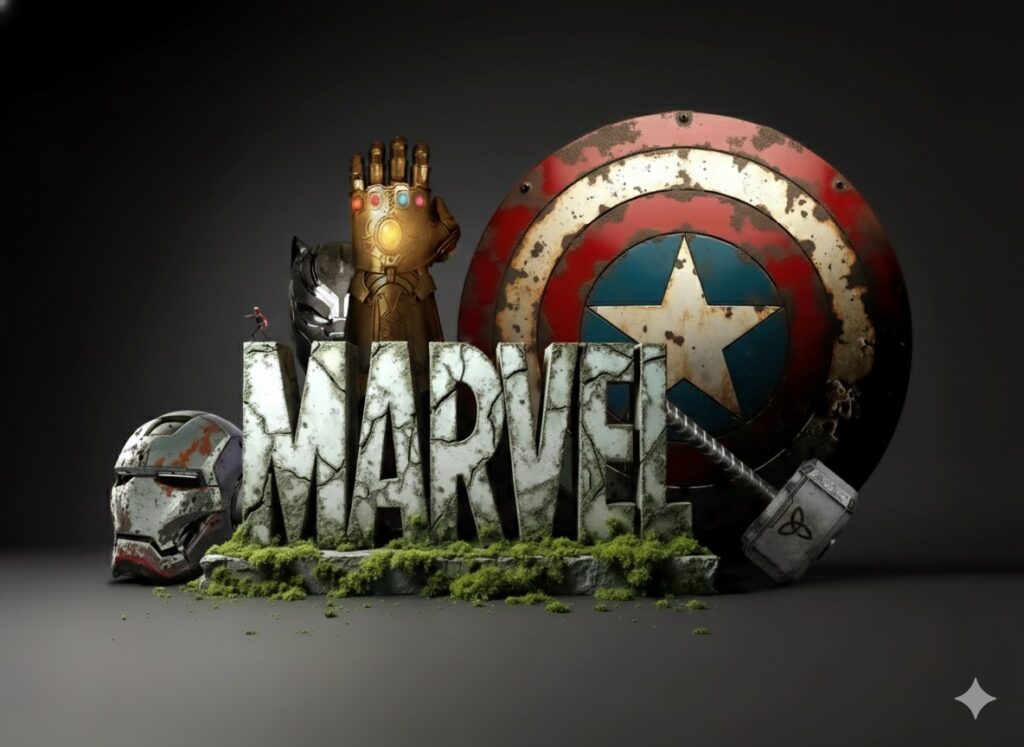
Remember when Marvel felt inevitable? Not good. Not exciting. Inevitable. Like gravity. Like taxes. Like sitting through the post-credits scene even when your bladder was screaming at you to leave. Now the MCU feels like homework.
With every new release, Thunderbolts included, we’re no longer asking where this is all going. We’re asking why we’re still watching. Critics called Thunderbolts daring, unexpected, and fun. We’re still trying to work out which film they watched.
What landed on screen felt like a $200 million shrug. You can build a Marvel film around character, like Loki, or around plot, like Infinity War. What you can’t do is neither. Thunderbolts tried to coast on vibes and tired banter, but vibes aren’t structure. Characters drifted in and out of scenes like exhausted SNL extras, and the story evaporated into CGI dust before it ever truly began. Zemo, in particular, deserved far better than this.
The Cracks Started Earlier
Thunderbolts didn’t break the MCU. It just confirmed the damage.
Ant-Man and the Wasp: Quantumania should have been a cosmic heist. Instead, it was a green-screen void where nothing had weight or consequence. The Marvels attempted to fuse three solid characters into one film and somehow came out with less than a single movie’s worth of identity. Captain America: Brave New World also happened, allegedly, though judging by audience reaction and box office returns, very few people noticed.
The Problem Isn’t Talent, It’s Fatigue
This is what makes the current state of Marvel so frustrating. The talent is still there. Performances still shine through. Occasionally, you see a spark of what the MCU used to be.
But those sparks are buried under multiverse rules no one fully understands, stakes that reset every film, and a growing sense that none of this really matters. Marvel didn’t just oversaturate the market. It exhausted its audience.
Avengers: Doomsday Enters the Chat
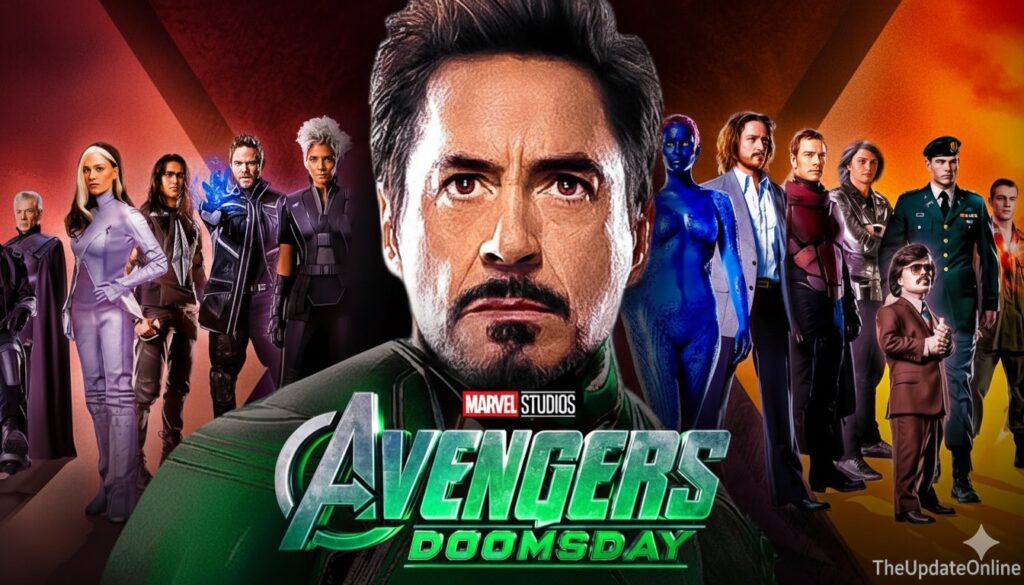
Then Marvel announced Avengers: Doomsday, a title so aggressive it practically dares audiences to care again.
This is Marvel betting on familiarity. The Avengers name. A looming, end-of-everything threat. The promise that this one really counts. We’ve already laid out everything we currently know about Avengers: Doomsday and the many, many, many returning characters [LINK].
But here’s the uncomfortable truth. Doomsday won’t fix anything unless Marvel changes how it tells stories. Bigger stakes won’t help if audiences don’t care about the people facing them.
Why Deadpool Might Actually Save This Thing
Which brings us to Deadpool.
Ryan Reynolds has jokingly referred to himself as Marvel Jesus, and for once, the joke may be uncomfortably close to reality. Deadpool works because he acknowledges the mess. He can laugh at the multiverse, mock continuity, and openly admit when things have gone off the rails. That self-awareness is exactly what the MCU has been missing. Deadpool isn’t just a character anymore. He’s a reset button.
In truth, Deadpool won’t save the MCU inside the story. He’ll save it outside of it, by rebuilding trust with an audience that’s grown tired of being told everything matters when it clearly doesn’t.
Fantastic Four: The First Step (Please Mean It)
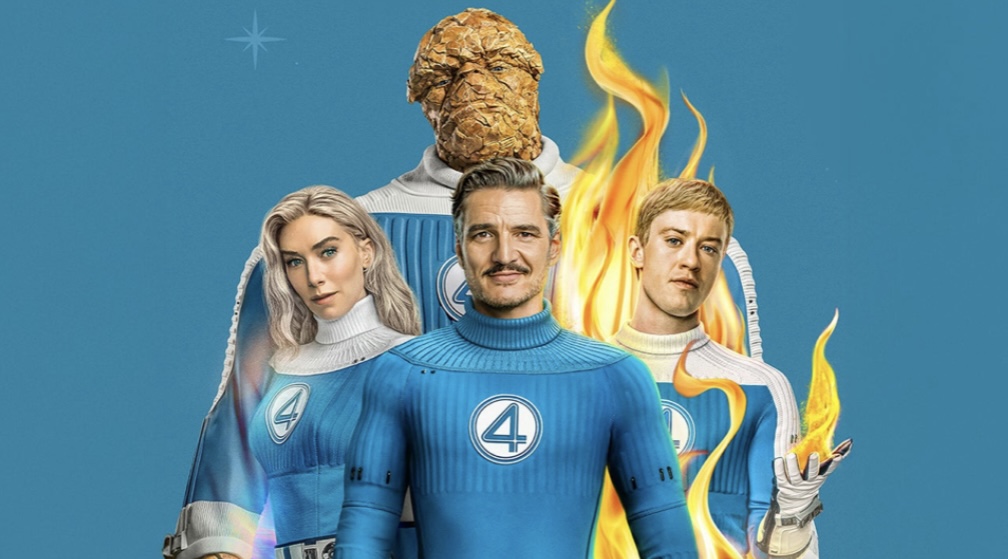
Then there’s Fantastic Four: The First Step, a title that feels less like marketing and more like a plea.
This film has to be the foundation. Clear characters. Emotional stakes. A story that doesn’t require a spreadsheet or six Disney+ shows as homework. We’ve already explained why Fantastic Four may be Marvel’s most important release in years.
If this fails, the idea of a carefully planned long-term MCU probably fails with it.
So Can Marvel Actually Turn It Around?
Yes. But only if it stops confusing scale with substance. Only if it lets characters breathe again. Only if it remembers that emotional payoff will always matter more than lore density.
The MCU doesn’t need to be bigger. It needs to be human.
Post-Credits Thoughts (Yes, Really)
And look, we’ll still show up. We always do.
We’ll complain. We’ll roast the trailers. We’ll swear this is the last one. And then we’ll buy a ticket anyway.
Because deep down, we want Marvel to win again.
We’ll be in our seats either way.
Cue the ironic post-credits scene.